
The Best Material for Packaging: A Comprehensive Guide
Introduction
When it comes to packaging, there are many different factors to consider, such as the type of product being packaged, the desired level of protection, and the environmental impact of the material. With so many options available, it can be difficult to know which packaging material is the best for your needs.
In this blog post, we will discuss the different types of packaging materials available, as well as their pros and cons. We will also provide some tips on how to choose the best packaging material for your specific needs.
Types of packaging materials
The most common types of packaging materials include:
- Plastic: Plastic is a versatile and durable packaging material that is used for a wide variety of products. It is lightweight, inexpensive, and easy to mold into different shapes and sizes. However, plastic is also non-biodegradable and can take hundreds of years to decompose.
- Glass: Glass is a strong and inert packaging material that is often used for food and beverage packaging. It is also recyclable and reusable. However, glass is also heavy and can be fragile.
- Metal: Metal is a durable and protective packaging material that is often used for canned goods and aerosols. It is also recyclable. However, metal is also heavy and can be expensive.
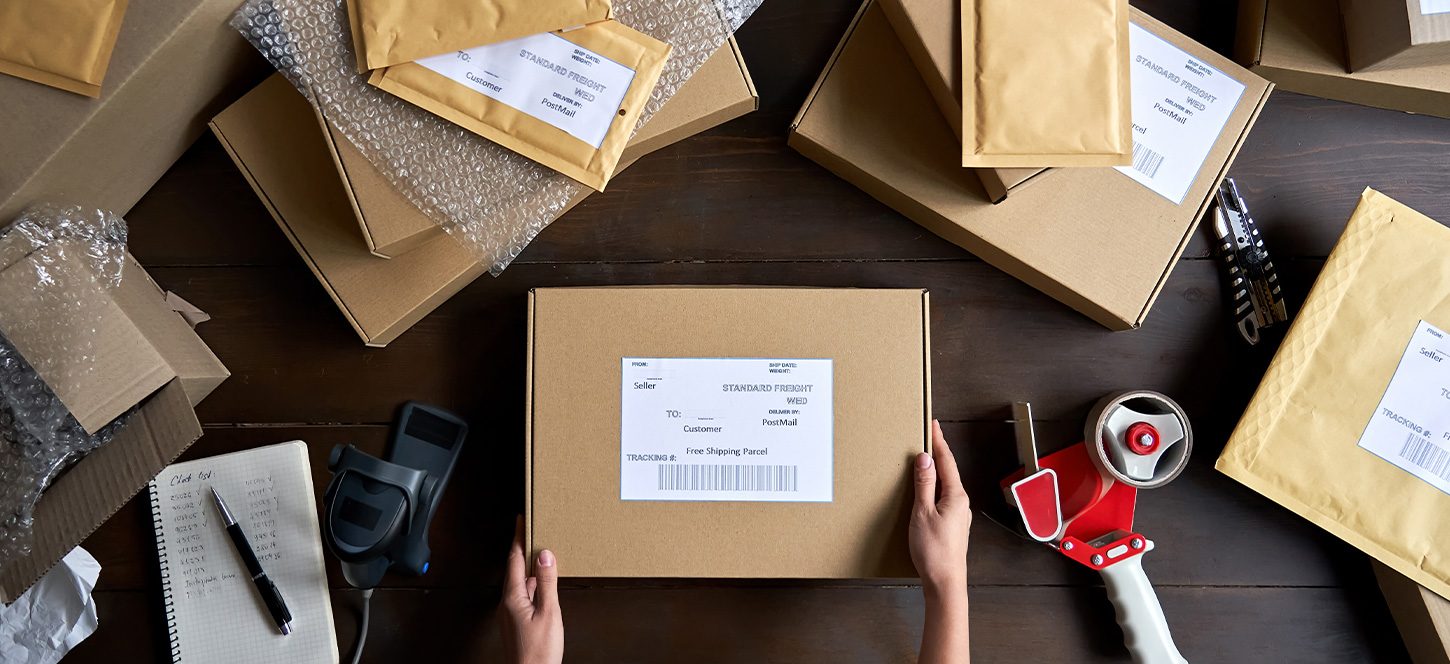
- Paper and cardboard: Paper and cardboard are lightweight and inexpensive packaging materials that are often used for shipping and mailing. They are also recyclable and biodegradable. However, paper and cardboard can be easily damaged by moisture and pests.
Choosing the best packaging material
When choosing a packaging material, it is important to consider the following factors:
- The type of product being packaged: The type of product you are packaging will determine the level of protection required. For example, delicate items, such as electronics, will require more protection than durable items, such as toys.
- The desired shelf life: If you are packaging a product with a long shelf life, you will need to choose a material that will protect the product from spoilage. For example, glass and metal are good choices for packaging food and beverages with a long shelf life.
- The shipping environment: If you are shipping your product, you will need to choose a material that can withstand the rigors of shipping. For example, metal and corrugated cardboard are good choices for shipping products.
- The environmental impact of the material: If you are concerned about the environmental impact of your packaging, you may want to choose a sustainable material, such as recycled paper or compostable plastic.
Conclusion
There is no one-size-fits-all answer to the question of which packaging material is the best. The best packaging material for your needs will depend on the specific factors of your product and your business. However, by considering the factors listed above, you can choose the best packaging material to protect your product and minimize your environmental impact.
Additional tips
Here are some additional tips for choosing the best packaging material:
- Consider the overall aesthetic of your product. The right packaging can help to enhance the look of your product and make it more appealing to consumers.
- Use multiple packaging materials for added protection. For example, you may want to use a corrugated cardboard box to ship a product that is packaged in a glass jar.
- Test different packaging materials to see which one works best for your product. This will help to ensure that your product is adequately protected and that the packaging is easy for consumers to open and dispose of.
